
by Dr.Harald Wiesendanger– Klartext
What the mainstream media is hiding
For over half a century, the pharmaceutical industry has been demonizing a vital molecule: cholesterol. We are told that elevated levels cause heart disease and bring us closer to death – so we must lower them. Medications for this purpose, with fatal side effects, generate annual sales in the double-digit billion range worldwide. Those being treated have no idea that, in reality, it is rather low cholesterol levels that pose a huge threat to their health.
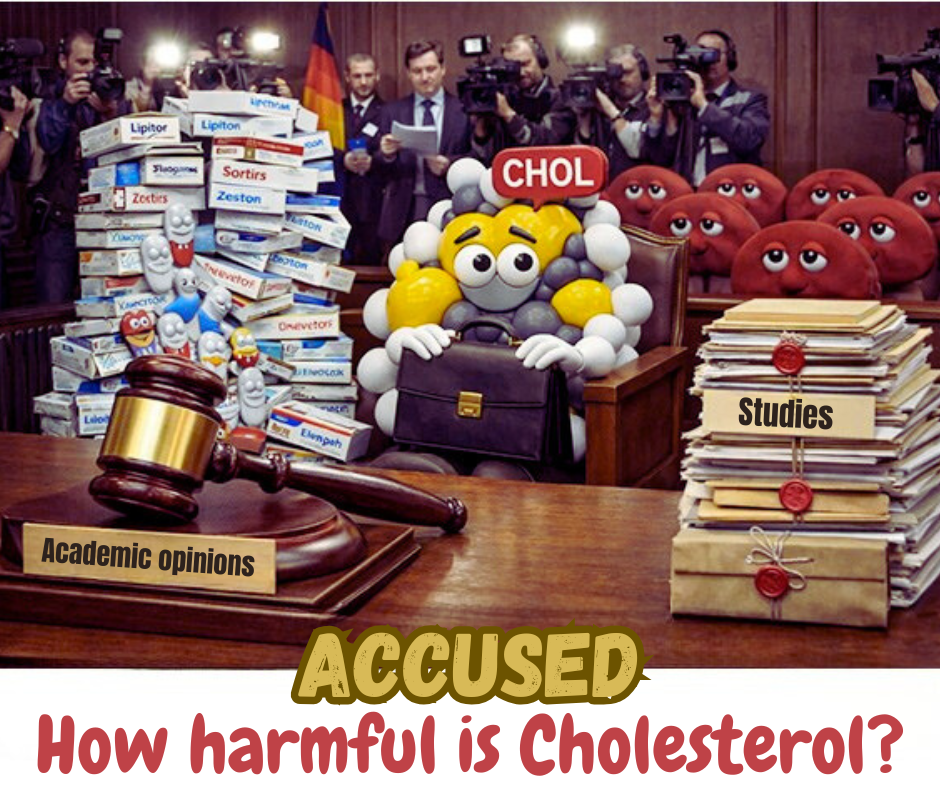
Recently, I decided it was time to have my family doctor give me a thorough check-up again. This included a complete blood count. According to the lab report, 27 of the 30 values measured were within the normal range, with only three cause for concern: my glucose level should have been between 55 and 100 mg/dl, but it was 103. (I snack too much.) Even more striking: my LDL cholesterol was 171 mg/dL, above the tolerable value of “up to 160,” and my total cholesterol (CHOL) was 236, above the upper limit of “200.”
“We definitely need to keep an eye on this,” said the doctor, frowning.
Why do we have to? After all, cholesterol is not a poison, but a fat-like natural substance that I depend on for life.
What does my body need it for?
For cell membranes: Cholesterol makes them stable—not too rigid, not too permeable. Like a bodyguard, it prevents the cell membrane from becoming a leaky sieve or hardening like concrete.
For hormones: Many are produced from cholesterol, e.g., the stress hormone cortisol, estrogen, and testosterone.
For digestion: The liver converts cholesterol into bile acids, which help absorb dietary fats in the intestine.
For vitamin D: My body produces it from a cholesterol-like precursor in the skin under the influence of sunlight.
For the nervous system: Cholesterol is an important component of the myelin sheath, which electrically insulates nerve fibers and enables rapid conduction of electrical impulses.
Where does cholesterol come from? Most of it is produced by the body itself, mainly in the liver, and partly in the intestines. We absorb a smaller portion through food, e.g., eggs, offal, meat and sausage products, dairy products, and seafood.
Fat does not dissolve in water.
In order for cholesterol to float in the watery bloodstream, it is transported in special “packaging” called lipoproteins. The outer shell of these highly complex, spherical particles is “hydrophilic,” meaning it consists of water-friendly substances.
LDL’s bad rep – from delivery hero to vascular zombie
There are different types of these “delivery trucks” on the road; the two most important are – LDL (low-density lipoprotein): It transports cholesterol from the liver to the rest of the body. – HDL (high-density lipoprotein) is involved in transporting cholesterol back to the liver.
HDL is considered “good”: like a “garbage collector,” it removes cholesterol from the walls of blood vessels before it settles there and causes narrowing.
And LDL? Without its transport services, metabolism would be severely disrupted. Nevertheless, if any molecule needed a PR consultant, it would be this one. It is considered “bad” because it deposits itself in the walls of blood vessels, promoting arteriosclerosis, or “hardening of the arteries.” If this progresses too far, there is a risk of heart attack and stroke.
To prevent such disasters, LDL levels must be kept as low as possible, as is drummed into aspiring and practicing doctors, who then pass this information on to billions of medical laypeople. To this end, the pharmaceutical industry offers a wide range of synthetic cholesterol-lowering drugs, foremost among them statins: by blocking a specific enzyme, they slow down cholesterol production in the liver, which then extracts more LDL from the blood. (1) Since they came onto the market in the late 1980s, they have become blockbuster drugs that can only be rivalled by anticoagulants, oncology drugs, antidiabetics and weight loss drugs: in 1987, statins generated US$1 billion , in 2000 it was already 13.25 billion, and in 2025 it was 17 billion. By 2032, it could be over 24 billion US dollars , possibly even 53.5 billion.
Sources see note 2.
In the 1970s, 300 mg/dl was okay, but today there is growing panic at 200. The lower the cholesterol , the better the business with synthetic cholesterol-lowering drugs flourishes. At stake are tens of billions in annual sales. To skim off even a single percent of that in order to irresistibly corrupt influential experts in committees and professional associations around the globe is undoubtedly a clever investment with fantastic, bombproof returns.
(3)
Sources see note 4
That leaves a large chunk of money that marketing professionals can use to scare the wits out of every average Joe. He needs to understand: Cholesterol must be lowered, come hell or high water – otherwise, sooner or later, there will be dire consequences. To prevent this, doctors with a suspected pharmaceutical bias the size of a plaque are seriously suggesting everyone over 50 should take statins, especially since they are free of side effects. Certainly, some even dream of adding them to drinking water as a preventive measure, like chlorine and fluoride – or at least offering them in supermarkets. “Pfizer Water” , still or sparkling, pure or flavored. How wonderfully statins prevent and cure is impressively demonstrated by purchased “evidence”: up to 80% of statin studies are industry-funded, and possibly up to 100% disappear under the carpet if they turn out undesirable.
Denied, covered up, discredited: the truth that disrupts business
Dozens of high-quality studies have been demonstrating for decades that the fear porn surrounding cholesterol is obscenely misguided – you just have to be willing to see it. How many doctors are critical and curious enough to research them, let alone the average patient? In truth, too little cholesterol is far more dangerous than too much. The expensive chemicals designed to lower it cause maximum damage with minimal benefit. The evidence for this is overwhelming.
Premature death on prescription
Too little cholesterol is deadly. NHANES, a groundbreaking analysis of over 19,000 US adults, revealed that With an LDL cholesterol level below 70 mg/dl, the risk of death is 37% higher than with a level between 100 and 129 mg/dl – even after taking into account other health factors such as age, gender, race, marital status, education, smoking, and BMI.
A Korean study of 12.8 million adults found that The lowest overall mortality—the number of all deaths within an observation period of 9 to 13 years—was recorded among those participants whose CHOL levels were between 210 and 249 mg/dL. Those with levels below 180 to 200 mg/dL were significantly more likely to die. .
This disturbing pattern was confirmed by a Danish study of over 108,000 participants over the age of 20. Their risk of death depending on cholesterol levels followed a U-shaped curve: not only extremely high levels, but also extremely low levels increased it. A medium level proved to be optimal.
The cholesterol myth fails most noticeably in seniors. Several studies involving people over the age of 65 consistently recorded higher mortality rates among those with the lowest LDL and total cholesterol levels. In contrast, higher cholesterol levels in old age tend to have a protective rather than a harmful effect.
This correlation was even confirmed in the over-80 age group. A study published in Lancet in 1997 examined 724 participants aged 8 5 years of age. During the ten-year follow-up period from December 1, 1986, to October 1, 1996, a total of 642 of them died. Each 1 mmol/L increase in total cholesterol corresponded to a 15% decrease in mortality. (5)
The conclusion is obvious: chronically low cholesterol levels signal health problems that shorten life expectancy.
But don’t some studies prove that statins prolong life? The older we are, the less significant this supposed benefit becomes. Seniors who do not succumb to heart disease will certainly die sooner rather than later from something else. A 65-year-old non-smoker with a cholesterol level of 193 mg/dl can expect to live three additional months if he takes a statin until his last breath. That’s not exactly a lot, especially if he spends the “gains” the extra three months while lying incontinent and demented in a nursing home bed and would prefer a drug that would put an end to his misery.
Statins prolong life? Most likely that of shareholders.
“Heart healthy” but brain dead
A particularly low cholesterol level dramatically increases the risk of cerebral hemorrhage. This has been convincingly proven by a large-scale prospective US study of nearly 28,000 women, in which Berlin’s Charité hospital also participated. Within the average observation period of 19.3 years, participants with an LDL level below 70 mg/dl had more than twice the risk of suffering a hemorrhagic stroke—an acute cerebral hemorrhage due to a ruptured blood vessel than women with LDL levels between 100 and 129 mg/dL. However, a merely slightly elevated LDL level did not increase the risk. Further research confirmed these correlations. Similarly, several studies showed that heart disease does not occur less frequently when cholesterol levels drop. (6)
Clinical studies have shown that aggressively lowering cholesterol levels can be fatal to heart health. In samples of patients who received aggressive treatment, there was an increase in hemorrhagic strokes — even though ischemic strokes decreased.
i.e., those in which the blood supply to parts of the brain is suddenly interrupted, usually due to a blood clot or narrowing of the vessels, causing nerve cells to die. Extremely low cholesterol levels apparently weaken the walls of blood vessels or impair their repair, making them more likely to tear or burst.
What does it say about the supposed “evidence-based” nature of cardiology when, despite this, the dogma of the need to lower cholesterol persists?
But wasn’t there that groundbreaking randomized controlled “4S” study from 1994 with nearly 4,500 participants, which is said to have impressively proven the benefits of the statin simvastatin – trade name Zocor – in heart patients? In high-risk patients, it allegedly reduced mortality by 30%. Really? This ” guide“ was fully funded by the manufacturer, the pharmaceutical giant Merck; several authors received money from Merck as consultants, speakers, or researchers. (7) Who knows of any ”milestone in cardiology and evidence-based medicine” that did not come about in this way with absolute certainty?
Pharmaceutical frontal attack on the brain
No organ contains more cholesterol than our brain: a quarter of the total amount, even though the brain accounts for only 2% of body mass. This fact alone gives an idea of its paramount importance. Cholesterol stabilizes the cell membranes of 100 billion neurons, keeps them flexible, and supports signal transmission at synapses, the contact points between nerve cells. Cholesterol is a building block of the myelin sheath, which insulates nerve fibers and enables rapid impulse conduction—a deficiency would severely impair brain function. It serves as a precursor for hormones, neurotransmitters, and vitamin D in the brain, influencing learning and memory. Disruptions promote neurological diseases.
Because cholesterol is too large to enter the brain, glial cells—the supporting cells of the nervous system—synthesize it there. Unfortunately, statins hinder this process.
What happens to the supercomputer under the skull when pharmaceutical companies convince doctors to drive their patients’ cholesterol levels down? At least mild mental impairment can be detected in the majority of statin users. Amnesia, forgetfulness, confusion, and disorientation. In March 2020, Frontiers in Aging Neuroscience, the most cited journal for geriatric medicine, published a remarkable study involving people whose cholesterol levels were in the “desirable” range below 200 mg/dl. The shocking finding: with total cholesterol levels below 160 mg/dL, participants performed significantly worse on cognitive tests. Their “semantic fluency,” i.e., the ability to name as many words as possible within a short time for a given semantic category, e.g., ‘animals’ or “occupations,” had declined significantly
. Brain scans showed that their hippocampus—the memory center of the brain—had shrunk.
As US physician Duane Graveline reveals in his excellent book The Statin Damage Crisis (2014), “Pfizer management knew about the cognitive effects that could be expected with the launch of Lipitor more than a decade ago, during the first clinical trial of Lipitor in humans.” (The active ingredient atorvastatin, introduced as “Lipitor” in 1997, was considered the best-selling drug worldwide until 2017, with total sales of $142 billion.) “Of the 2,503 patients tested with Lipitor, seven suffered from temporary global amnesia attacks and four others suffered from other forms of severe memory impairment, for a total of 11 out of 2, 503 test patients. This corresponds to a rate of 4.4 cases of severe cognitive loss per 1,000 patients taking the drug. The thousands of doctors who would soon be prescribing the drug were not told a word about it.” If around 2.7 million people in Germany alone take the active ingredient atorvastatin in Lipitor – its market share of lipid-lowering drugs in this country is 56% – around 12,000 of them would know from their own experience what Graveline had to go through.
Chemical attack on the psyche
Too little cholesterol not only reduces mental performance – it also causes psychological disorders, as a study published in The Lancet in 1993 demonstrated. Men over 70 with low cholesterol levels were diagnosed with severe depression three times more often than men with higher levels. This was confirmed in another study of middle-aged men.
The same applies to women. In 1998, Swedish researchers reported that among 300 healthy women aged 31 to 65, those with the lowest cholesterol levels — in the bottom tenth of the recorded values — suffered from depressive symptoms significantly more often than the others. On the other hand, several reviews and meta-analyses show that higher total cholesterol levels is associated with a lower risk of depression.
Particularly worrying is that too little cholesterol apparently increases the risk of suicide. The extensive MRFIT study (8) involving over 361,000 men showed a significantly higher risk of suicide with total cholesterol levels below 160 mg/dL. The same pattern was observed in bipolar patients and psychiatric inmates. (9) Depending on the study, the risk threshold lies
between 150 and 180 mg/dl total cholesterol.
How could this happen? Cholesterol is essential for the serotonin receptors in the brain to function. If cholesterol levels drop too low, serotonin activity also decreases. This promotes depression.
Too little cholesterol weakens the immune system
Doctors who aggressively lower their patients’ cholesterol levels weaken their natural defenses. This is because cholesterol is essential for the immune system. If the body has too little of it, it becomes defenseless against infections. LDL particles not only transport cholesterol, but also bind and neutralize toxins from dangerous bacteria. “Lipids play a key role in the battle between host and microorganisms,” according to a review paper.
Studies show that healthy individuals with low LDL levels suffer from infectious diseases significantly more often than those with normal or high LDL levels. Their risk of hospitalization due to infections, pneumonia, and sepsis is significantly increased. In patients with kidney disease, higher LDL and HDL levels were associated with a lower risk of death from infections, while patients with low lipid levels had the highest infection mortality rates. Patients who were admitted to the intensive care unit with cholesterol levels in the lowest fifth of the overall distribution had a 46% higher risk of dying there than those in the top quintile. Many of these deaths were due to sepsis and multiple organ failure – conditions in which cholesterol helps to mitigate inflammatory damage.
Too little cholesterol promotes cancer
A weakened immune system can no longer effectively recognize and eliminate abnormal cells. This promotes their uncontrolled growth – cancer. How many patients are aware that low cholesterol levels are consistently associated with higher cancer rates and higher cancer mortality? In 172,210 men and women who were followed up for 19 years, the critical threshold was 160 to 180 mg/dl: cancer cases were more frequent in the subgroup with cholesterol levels below this threshold. (10) For every 10 mg/dL increase in cholesterol, cancer mortality decreases by 13%; levels below 161.5 mg/dL increase the risk of dying from cancer by 76%. A meta-analysis of studies involving a total of nearly 97,000 patients showed that for every 10 mg/dL drop in LDL due to statins, there are 2.2 more cancer cases per 1,000 people.
Pharmaceutical-friendly opinion leaders in oncology dismiss the connection as “reverse causality”: in reality, they say, it is cancer that lowers cholesterol levels. However, this explanation is contradicted by the fact that low cholesterol has been correlated with a higher risk for many years before the diagnosis of cancer, not just shortly before.
Statins: little benefit, maximum harm
Using cholesterol-lowering drugs may make sense in the short term to correct exorbitantly high levels in high-risk patients. Otherwise, not only do the aforementioned risks outweigh the benefits, but there are also nasty side effects. A multitude of complications are extensively documented in the medical literature. (11) Depending on the study, 5 to 30% of all patients treated suffer from them. Among adults of all age groups, 47% stop taking the medication within a year, and among seniors, 44.7% do so—even though their doctors usually put them under enormous pressure to continue taking it.
The side effects that cause patients to do so include
– persistent fatigue and rapid exhaustion, especially after physical exertion. Among male statin users, 20% complain of this, compared to 40% of female users.
– Muscle pain. (12) In a survey of current statin users, 25% reported muscle pain as a side effect, and 60% of former users.
– Numbness
– Sudden hearing loss
– Interstitial cystitis (bladder pain syndrome), a chronic, non-bacterial inflammation of the bladder wall that causes severe pain, urinary urgency, and frequent urination.
– Increased irritability
– Depression, confusion, aggression, memory loss (13)
Because each person absorbs and metabolizes drugs differently, side effects can be much more severe in individual cases.
The symptoms always begin immediately after taking the medication—and disappear as soon as it is discontinued.
Is this a “nocebo effect”? Do people believe that statins are harmful to them simply because they convince themselves of this—due to the warnings in the package insert or alarmism on social media? But as a rule, patients do not expect sensations such as muscle pain to be associated with statins until they experience them themselves. Only then do they seek and find information that confirms their suspicions.
Statin victims must feel similarly mocked when they hear scientists claim that virtually all side effects experienced can also be triggered by taking a placebo – which proves that it is not the drugs themselves that cause them.
At least, that is what a team of 150 authors, who are said to have been “supervised by an independent oversight committee,” claim in a meta-analysis of 23 “high-quality” studies with a total of 155,000 participants, published in The Lancet on February 5, 2026. studies with a total of around 155,000 participants. When reading the article, it is essential to include its lengthy “Declaration of interests,” which gives an idea of how closely most of the authors are financially linked to Big Pharma.
How can it be that, despite such side effects, billions of patients prefer to take pills to optimize certain laboratory values instead of asking themselves what improvement in quality of life their compliance brings them?
Other disastrous consequences of statins may not be immediately apparent to a patient, or may only become apparent much later:
– Type 2 diabetes (14), especially in women (15)
– Cancer (16)
– Liver dysfunction, liver failure (17)
– Cataracts (18)
– ALS-like diseases and other central motor disorders such as Parkinson’s disease and cerebellar ataxia (19)
– Susceptibility to herpes zoster (shingles) (20)
– Polymyalgia rheumatica, also known as muscular rheumatism: an inflammatory rheumatic autoimmune disease in older people that causes symmetrical pain and stiffness in the shoulder and pelvic girdle muscles.
– Kidney damage (21)
– At higher doses and when interacting with other medications, statins can cause rhabdomyolysis: muscle cells break down and their contents, including myoglobin, enter the bloodstream. If this protein clogs the filtering units of the kidneys, acute kidney failure can occur.
In short: statins can kill you.
“Many statin victims say that they suddenly, almost out of the blue, became old people,” writes Duane Graveline. He knows what he is talking about: a family doctor with 23 years of experience, he developed sudden global amnesia shortly after taking statins. With this particularly frightening form of memory impairment, which usually subsides completely after 4 to 8 hours, those affected are unable to store any new information; they cannot remember the last few hours or days; constantly repeat the same questions, are disoriented in time, have headaches, and suffer from dizziness and nausea. When Graveline subsequently asked his neurologist whether the medication could be the cause, the latter replied almost mockingly: “Statins don’t cause anything like that.” Nevertheless, Graveline stopped taking them as a precaution, but after the next unpleasant health check, he decided to take them again, “but only at half the previous dose. Six weeks later, I fell back into the black hole of amnesia, this time for twelve hours and with retrograde memory loss dating back to my high school days.”
How does atherosclerosis really develop?
If, as we have seen, there is no simple link between cholesterol and heart disease, how does it develop? Atherosclerosis is undoubtedly a major factor. But where does it come from?
“One of the tricks to creating a lucrative drug market is to convey a sales-promoting belief to the population that everyone can identify with,” notes a practicing US doctor who hides behind the pseudonym “A Midwestern Doctor.” To profit from antidepressants, manufacturers put out the false idea that depression is caused by a “chemical imbalance.” (22) The anonymous doctor thinks the cholesterol myth is similar. “One of the cleverest campaigns I’ve seen in the medical industry is the widespread belief that heart disease is caused by fat clogging the arteries, similar to a drain pipe. This marketing slogan is also remarkably convincing because it is easy to understand—so much so that people without a medical background confidently pass it on to others—easy to imagine, and highly likely to immediately evoke a feeling of disgust.”
There is no question that atherosclerotic plaques exist, that they narrow blood vessels, and that they contain cholesterol. But are they caused by cholesterol?
Scottish physician Dr. Malcolm Kendrick takes a completely different view. In his brilliant book, The Clot Thickens:
The Enduring Mystery of Heart Disease (2021), he dismantles the orthodox doctrine that cholesterol causes disease by depositing itself on the inner walls of blood vessels. He presents an alternative model that explains the actual causes of heart disease much better. This confirms once again that in pathophysiology, there are rarely single culprits; organized complexity prevails.
1. A variety of factors—from fine dust in tobacco smoke and exhaust fumes to high blood pressure and diabetes to constant stress—can biochemically and mechanically damage the highly sensitive lining of blood vessels, the endothelium.
2. These factors also include LDL cholesterol—but by no means all of it. This is because LDL comes in different sizes and compositions. Voluminous, fluffy particles—“pattern A”—are too clumsy to penetrate the vessel wall and are broken down more quickly. Much more “atherogenic,” i.e., promoting arteriosclerosis, is small, dense LDL, also known as small dense LDL, sdLDL, or “pattern B.” While pattern B accounts for only 20 to 35% of total LDL in healthy individuals, it can account for 65 to 80% in high-risk patients. Standard lipid profiles obscure this important difference—an elevated LDL level in which “pattern A” predominates, may be more harmless than a lower level with a predominance of “pattern B.” If small, dense LDLs predominate, the risk of heart attack increases three- to sevenfold, regardless of the total LDL level. My lab results revealed nothing of the sort. Specialized centers (23) determine the proportions—for $80 to $200, which you have to pay out of your own pocket.
3. These risk factors open the door for LDL, so to speak, by making the endothelium more permeable: its cells swell and gaps open up. Small, dense LDL particles—sdLDL—are slim enough to slip through.
4. Under the endothelium, in a cell layer called the intima, the LDL particles bind to proteoglycans: complex molecules that belong to the “filling substance” between the cells in the vessel wall. Like Velcro, these molecules “stick” LDL in place and prevent it from returning to the blood. They remain stuck in the intima.
5. Oxygen radicals come into play: they stage a veritable “robbery.” The aggressive “thieves” on the prowl are unstable molecules that are missing a building block—an electron. Now they try to steal this missing building block from other molecules. When such a radical collides with the shell of the LDL particle, it tears an electron out of its fatty shell. This process is called oxidation. This triggers a destructive chain reaction:
As a result of the theft, the LDL molecule itself becomes unstable and in turn “steals” an electron from its neighboring molecule. Gradually, the smooth protective shell becomes porous and decomposes. New, aggressive substances such as aldehydes, chemical waste products, are formed.
This process fundamentally changes the LDL: it loses its identity, becomes sticky and toxic. The protein structures on the surface become so distorted that the body no longer recognizes them as useful transporters. The destroyed shell becomes extremely reactive. Oxidized LDL no longer behaves like a smooth package, but becomes extremely adhesive. It has a toxic effect on the cells of the vessel wall.
But that’s not all: “oxLDL” inhibits signaling pathways for the vasodilator NO, nitric oxide. Because oxLDL changes its chemical charge, areas appear on the surface that act like a magnet on calcium ions, charged calcium These combine with each other and with other substances to form calcium crystals. This causes arteriosclerosis to enter its next, dangerous phase: the vessels are covered with a layer of fast-hardening cement – and literally turn to stone.
The hard calcium crystals promote inflammation.
6. The vessel walls then send out various chemical distress signals to alert monocytes—a specific type of white blood cell. (Statins block these alarm signals.) Chemokines such as MCP-1 act as attractants; their “scent trail” signals to the monocytes where they need to dock and penetrate the tissue. Cytokines—messenger substances such as IL-1 or TNF-alpha—fuel the inflammation and ensure that the vessel wall becomes even more permeable to further cholesterol. Adhesion molecules such as VCAM-1 and ICAM-1 are ramped up on the endothelium surface, allowing passing monocytes to stick to them.
In short, the alarm signals transform the normally smooth coating of the arteries into a sticky surface that specifically traps immune cells from the blood. These attach themselves to the vessel wall and penetrate it.
7. Once they reach the tissue, monocytes transform into “scavenger cells” , or macrophages. These attack the deposited LDL. When they overeat fat in the process, they become so-called foam cells, the main component of atherosclerotic plaques.
The macrophages secrete growth factors such as VEGF, causing endothelial cells to grow and close the gap.
9. Once plaque formation has progressed, smooth muscle cells (VSMCs) migrate into the intima. They originate from the underlying media, a thick layer of smooth muscle and elastic fibers—like a rubber band that can make the vessel narrower or wider.
They weave a protective cap of collagen, connective tissue, around the plaque. This makes the plaque more stable, but also thicker. In the late stages, the VSMCs die off and the media thins or calcifies. The vessel loses its elasticity and becomes stiffer.
10. Blood clots help to repair damage. If the surface of a plaque ruptures, blood clotting is immediately activated. Fibrin—an insoluble protein that acts as the body’s own “bio-glue”—then forms a net around the damaged area at lightning speed, trapping red blood cells. These contain an enormous amount of cholesterol, 50% of the total amount in the bloodstream. Fibrin forms a thrombus from them. When such clots break off and travel further in the bloodstream, they block vessels, leading to a heart attack.
Those who focus solely on LDL are therefore missing the fire behind the smoke. “It’s not the perpetrator, but rather the passenger,” states US neuroscientist David Diamond. Pathologist Uffe Ravnskov agrees with him: “Cholesterol is the most innocent molecule in medicine – yet for 50 years it has been hunted like a serial killer, while smoking and sugar go unpunished.”
Fallacious conclusion from correlation to causality
It is because of the breathtakingly delicate process described above that one always encounters abundant cholesterol when examining plaques more closely. It does not cause plaque formation – it merely accompanies it persistently. No, LDL does not directly damage the endothelium – it penetrates after other factors have been damaging it for far too long. Only then does LDL become an amplifier – by no means all LDL, but primarily the fatally oxidized kind.
So what kind of error in reasoning underlies the prevailing cardiological model for heart disease? By way of comparison, every dead body contains ptomain, the so-called corpse poison. Does this suggest that it is ptomain that ultimately kills us all? Anyone who draws this conclusion is confusing a side effect with a cause. Isn’t it paradoxical that conventional doctors often use the mantra “correlation does not equal causation” to reject anything that challenges orthodoxy – while they reinterpret obviously false correlations as unquestionable causalities as long as they secure profits for the medical industry?
If, in truth, vascular damage is the problem, the focus of cardiology would inevitably have to shift to the question: What is it that makes LDL “sharp” by shrinking, compacting, and oxidizing it? How can such consequences be prevented or at least mitigated?
Nature has long since found a simple, drug-free answer to this question: live healthily.
Protecting blood vessels naturally: is that possible?
Instead of dogma, the cholesterol debate urgently needs more humility toward biology. Why do so few patients ask their doctors what they can do naturally for their heart health, instead of swallowing pills and innocently and conveniently increasing the pharmaceutical industry’s sales?
This can be achieved with a targeted change in diet — more fiber, cabbage vegetables, and healthy fats, less sugar, white flour, red meat, and trans fats — by giving up smoking, exercising more, and taking dietary supplements such as sesame, artichoke extract, acerola, and rosehip. (24) Weight reduction lowers sLDL by 15 to 25%. Daily endurance activity, e.g., half an hour of walking, reduces the proportion of small, dense LDL particles, keeps blood vessels elastic, and contributes to the regression of plaque by improving blood flow.
What if atherosclerotic plaques have already formed extensively? Natural measures can rarely eliminate them completely, but they can often keep them in check to such an extent that little or no medication is required; because they slow down their progression, improve vascular health, and reduce the risk of heart attacks and strokes. A plant-based, Mediterranean diet rich in antioxidants and omega-3 fatty acids reduces inflammation that promotes plaque formation. 50 ml of pomegranate juice daily can reduce plaque by up to 30% over the course of a year. Turmeric, chili, and garlic, either fresh or as a matured extract, also break down deposits, as do green tea, fermented cabbage such as sauerkraut or Korean kimchi, the amino acid L-arginine, omega-3, B vitamins, folic acid, and vitamin C. Stress reduction through yoga or meditation reduces chronic inflammation.
Alternative forms of therapy are also worth trying, as indicated by case reports and smaller studies: from chelation—with infusions of the synthetic amino acid EDTA—to enzyme therapy using nattokinase and serrapeptase, which dissolve the bioadhesive fibrin from plaques.
To come back to my initial question: Do I really need to be seriously concerned about my LDL level of 171 and my CHOL of 236? I will ask my family doctor again soon, after she has hopefully had time to digest this article and its sources.
P.S.: I would like to thank Dr. med. Gregor Dornschneider, specialist in nutritional medicine, and his wife, naturopath Barbara Dornschneider, for proofreading this article. Both are members of the helper network of my Auswege Foundation and are involved in its therapy camps. “It would be nice if the text reached the ‘right’ audience,” they wrote to me after reading it. “The sharpness of your wording is also entirely appropriate. One can only shake one’s head and ask: Why is something so obvious not being seen?”
Comments
(1) Absorption inhibitors hinder the absorption of cholesterol in the intestine, which also lowers LDL levels. Other drugs inhibit PCSK9, a protein that breaks down LDL receptors, or shut down its production in the liver. Still others bind bile acids in the intestine; causing the liver to use more cholesterol to form new bile acids – and LDL levels drop.
(2) Sources for the list of the 10 best-selling statins:
1. Atorvastatin:
o https://de.wikipedia.org/wiki/Lipidsenker[de.wikipedia]
o https://de.wikipedia.org/wiki/Atorvastatin[en.wikipedia]
o https://en.wikipedia.org/wiki/List_of_largest_selling_pharmaceutical_products[en.wikipedia]
2. Rosuvastatin:
o https://xtalks.com/top-15-cardiovascular-disease-drugs-in-2023-by-2022-sales-data-3717/[xtalks]
o https://www.accio.com/business/top-selling-statins[accio]
o https://en.wikipedia.org/wiki/Statin[en.wikipedia]
3. Simvastatin:
o https://en.wikipedia.org/wiki/Statin[en.wikipedia]
o https://bmjopen.bmj.com/content/9/3/e026603[bmjopen.bmj]
o https://de.wikipedia.org/wiki/Lipidsenker[de.wikipedia]
4. Pravastatin:
o https://en.wikipedia.org/wiki/Statin[en.wikipedia]
o https://pmc.ncbi.nlm.nih.gov/articles/PMC7682459/[pmc.ncbi.nlm.nih]
5. Lovastatin:
o https://en.wikipedia.org/wiki/Statin[en.wikipedia]
o https://bmjopen.bmj.com/content/9/3/e026603[bmjopen.bmj]
6. Fluvastatin:
o https://pmc.ncbi.nlm.nih.gov/articles/PMC7682459/[pmc.ncbi.nlm.nih]
o https://de.wikipedia.org/wiki/Lipidsenker[en.wikipedia]
7. Pitavastatin:
o https://pmc.ncbi.nlm.nih.gov/articles/PMC7682459/[pmc.ncbi.nlm.nih]
o https://www.databridgemarketresearch.com/de/reports/global-statin-market[databridgemarketresearch]
8. Cerivastatin:
o https://en.wikipedia.org/wiki/Statin[en.wikipedia]
9. Ezetimibe/atorvastatin (combination):
o https://de.statista.com/outlook/hmo/pharmazeutika/lipidsenker/weltweit[de.statista]
o https://www.databridgemarketresearch.com/de/reports/global-statin-market[databridgemarketresearch]
o https://www.arzneimittel-atlas.de/arzneimittel/c10-lipidsenkende-mittel/verbrauch/[arzneimittel-atlas]
10. Rosuvastatin (generic):
o https://de.statista.com/outlook/hmo/pharmazeutika/lipidsenker/weltweit[de.statista]
o https://www.databridgemarketresearch.com/de/reports/global-statin-market[databridgemarketresearch]
(3) See my 11-part KLARTEXT article series on “Dressed-up demigods in white,” ib. episodes 9 to 11: Insatiable hired mouths – The sinister power of bought opinion leaders; Among Gorillas – Silverbacks Call the Shots, The Golden Nose – Why “Key Opinion Leaders” Have It Made
(4) List of sources “Normal” cholesterol levels from the 1970s to today:
1. 1970s: Historical laboratory practice (no official guideline decision): On many laboratory forms, total cholesterol around 300 mg/dL was marked as “abnormal.” Henry Blackburn: Optimal Blood Lipid Levels: An International Report (historical review, Univ. of Minnesota) – https://www.epi.umn.edu/cvdepi/essay/optimal-blood-lipid-levels-an-international-report/
2. 1988: NCEP (ATP I): Total cholesterol <200 mg/dL = “desirable,” 200-239 mg/dL = “borderline-high,” >=240 mg/dL = “high.” PubMed entry for the 1988 NCEP report – https://pubmed.ncbi.nlm.nih.gov/3422148/; full text (Arch Intern Med, DOI) – https://doi.org/10.1001/archinte.1988.00380010159028
3. 1993/1994: NCEP ATP II: Total cholesterol categories retained; lower LDL target (<100 mg/dL) emphasized for CHD patients. PubMed: NCEP Adult Treatment Panel II – https://pubmed.ncbi.nlm.nih.gov/8124825/; Circulation (ATP II, DOI) – https://doi.org/10.1161/01.CIR.89.3.1333
4. 2001: NCEP ATP III:
Risk-based LDL target values (including <100 mg/dL for high risk) and total cholesterol <200 / 200-239 / >=240 mg/dL. NHLBI: ATP III Quick Desk Reference (PDF) – https://www.nhlbi.nih.gov/files/docs/guidelines/atglance.pdf; JAMA Executive Summary (ATP III) – https://jamanetwork.com/journals/jama/fullarticle/193847
5. 2004: ATP III update: LDL <70 mg/dL was introduced as a therapeutic option for “very high risk.” JACC: Implications of Recent Clinical Trials for ATP III – https://www.sciencedirect.com/science/article/pii/S0735109704013312; AHA summary of the ATP III update – https://www.ahajournals.org/doi/10.1161/01.CIR.0000133317.49796.0E
6. 2013: ACC/AHA cholesterol guideline: Departure from fixed LDL target values in the US guideline; focus on statin intensity and risk groups. 2013 ACC/AHA Guideline (AHA Journals) – https://www.ahajournals.org/doi/10.1161/01.cir.0000437738.63853.7a
2018: ACC/AHA update: In very high risk threshold LDL >=70 mg/dL for additional therapy; in severe hypercholesterolemia, LDL >=190 mg/dL as central intervention threshold. ACC: 2018 Guideline Made Simple (PDF) – https://www.acc.org/~/media/Non-Clinical/Files-PDFs-Excel-MS-Word-etc/Guidelines/2018/ Guidelines-Made-Simple-Tool-2018-Cholesterol.pdf; Full guideline (Circulation) – https://www.ahajournals.org/doi/10.1161/CIR.0000000000000625
7. 2019: ESC/EAS guideline: For very high risk LDL target <55 mg/dL (and >=50% reduction from baseline); for high risk <70 mg/dL. ESC/EAS 2019 Dyslipidaemia Guidelines (PDF) – https://eas-society.org/wp-content/uploads/2022/11/ 2019_dyslipidaemias_guidelin.pdf
8. 2022: ACC Expert Consensus (non-statin therapies): In very high risk, a lower threshold (LDL >=55 mg/dL) for therapy intensification is mentioned.
ACC Ten Points to Remember (summary) – https://www.acc.org/Latest-in-Cardiology/ten-points-to-remember/2022/08/25/13/13/2022-ACC-ECDP-on-Nonstatin; JACC publication (abstract/DOI page) – https://www.jacc.org/doi/10.1016/j.jacc.2022.07.006
9. 2025: ESC Focused Update 2025: Update of the dyslipidemia guideline; LDL target values were essentially retained according to the update. ESC guideline page (2025 Focused Update) – https://www.escardio.org/guidelines/clinical-practice-guidelines/all-esc-practice-guidelines/dyslipidaemias; PubMed comment on the 2025 update – https://pubmed.ncbi.nlm.nih.gov/41366604/
(5) Abstract: https://www.thelancet.com/journals/lancet/article/PIIS0140-6736(97)04430-9/abstract; Full text: https://www.scfmresidency.com/SCFM_Curriculum/Journal_Club/7-17-06_Journal_Club/Cholesterol_in_the_elderly.pdf
(6) See, for example, https://www.ncbi.nlm.nih.gov/pmc/articles/PMC3303886/, https://www.ahajournals.org/ doi/10.1161/01.CIR.86.3.1046, https://academic.oup.com/ije/article/44/5/1614/2594571 and these three overviews: https://openheart.bmj.com/content/2/1/e000196, https://bmjopen.bmj.com/content/6/6/e010401, and https://www.tandfonline.com/doi/full/10.1080/17512433.2018.1519391
(7) See the section “Acknowledgements” in the full text of the original paper https://www.thelancet.com/pb/assets/raw/Lancet/pdfs/issue-10000/4s-statins.pdf; the cash flows are confirmed by Wikipedia. https://en.wikipedia.org/wiki/Scandinavian_Simvastatin_Survival_Study
(8) The MRFIT study (Multiple Risk Factor Intervention Trial) screened over 361,000 men between 1973 and 1982 to find out whether cardiovascular disease can be prevented by reducing risk factors such as cholesterol, blood pressure, and smoking.
(9) See https://www.thieme-connect.de/products/ejournals/html/10.1055/s-2001-17564, https://archiv.ub.uni-heidelberg.de/volltextserver/33735/1/Dissertation_Bernhard_Schaupp_2022.pdf,
(10) https://www.i-med.ac.at/ mypoint/archive/2009030101.xml, https://academic.oup.com/annonc/article/20/1/283/223816
(11) See https://www.ncbi.nlm.nih.gov/pmc/articles/PMC6336291/, https://www.ncbi.nlm.nih.gov/pmc/articles/PMC2849981/, https://pubmed.ncbi.nlm.nih.gov/24974580, https://pubmed.ncbi.nlm.nih.gov/24464306, https://pubmed.ncbi.nlm.nih.gov/24231094, https://pubmed.ncbi.nlm.nih.gov/16885396, https://pubmed.ncbi.nlm.nih.gov/17538549
(12) https://www.ncbi.nlm.nih.gov/pmc/articles/PMC4729295/, , https://www.ncbi.nlm.nih.gov/pmc/articles/PMC3425581/, , https://scholar.google.com/scholar_lookup?journal=Sa+Pharm+J+Inc+Pharm&title=Statins:+why+do+they+cause+muscle+pains?& author=N van der Sandt&author=J Schoeman&author=N Schellack&volume=83&issue=6&publication_year=2016&pages=26-32&, , https://scholar.google.com/scholar_lookup?journal=Phys+Ther&title=Potential+adverse+effects+of+statins+on+muscle&author=SS+Tomlinson&author=KK+Mangione&volume=85&issue=5&publication_year=2005&pages=459-65&pmid=15842193& , https://www.ncbi.nlm.nih.gov/pmc/articles/PMC1884475/, , https://www.ncbi.nlm.nih.gov/pmc/articles/PMC6083851/, , https://pubmed.ncbi.nlm.nih.gov/16453090
author=CL Munro&author=OC Marroquin&author=DM Diamond&author=KE Kip&volume=2&issue=4&publication_year=2014&pages=141& , , https://pubmed.ncbi.nlm.nih.gov/16940411, https://scholar.google.com/scholar_lookup?journal=Journal+of+the+American+Geriatrics+Society&title=Impact+of+HMG-CoA+reductase+inhibitors+ (statins)+on+cognition+in+a+cognitively+impaired+population:+A+cross-sectional+study+of+statin+withdrawal&author=KP+Padala&author=P+Padala&author=JF+Potter&volume=55&issue=4&publication_year=2007&pages=S153-S4&, , https://scholar.google.com/scholar_lookup?journal=Journal+of+the+American+Geriatrics+Society&title=Impact+of+HMG-CoA+reductase+inhibitors+(statins)+on+cognition+in+a+cognitively+impaired+population:+A+cross-sectional+study+of+statin+withdrawal& author=KP Padala, author=P Padala, author=JF Potter, volume=55, issue=4, publication_year=2007, pages=S153-S4, , https://pubmed.ncbi.nlm.nih.gov/22921881, , https://pubmed.ncbi.nlm.nih.gov/19558254, , https://www.ncbi.nlm.nih.gov/pmc/articles/PMC4488854/, , https://pubmed.ncbi.nlm.nih.gov/17343428, , https://pubmed.ncbi.nlm.nih.gov/24435290, , https://www.ncbi.nlm.nih.gov/pmc/articles/PMC5487843/
(14) https://pubmed.ncbi.nlm.nih.gov/24464306, , https://www.ncbi.nlm.nih.gov/pmc/articles/PMC4617949/, , https://pubmed.ncbi.nlm.nih.gov/28185810, , https://www.ncbi.nlm.nih.gov/pmc/articles/PMC3341610/, , https://pubmed.ncbi.nlm.nih.gov/25754552
(15) https://www.ncbi.nlm.nih.gov/pmc/articles/PMC3687308/, , https://pubmed.ncbi.nlm.nih.gov/20176986, , https://pubmed.ncbi.nlm.nih.gov/22231607
(16) https://pubmed.ncbi.nlm.nih.gov/12457784,https://pubmed.ncbi.nlm.nih.gov/25605834,,https://www.ncbi.nlm.nih.gov/pmc/articles/PMC3770184/,,https://pubmed.ncbi.nlm.nih.gov/18765433
(17) https://pubmed.ncbi.nlm.nih.gov/18752389, , https://pubmed.ncbi.nlm.nih.gov/27860156
(18) https://pubmed.ncbi.nlm.nih.gov/24052188, , https://pubmed.ncbi.nlm.nih.gov/23771795
(19) https://pubmed.ncbi.nlm.nih.gov/19591530, , https://pubmed.ncbi.nlm.nih.gov/28556203,https://pubmed.ncbi.nlm.nih.gov/28370314, , https://pubmed.ncbi.nlm.nih.gov/26897092, , https://pubmed.ncbi.nlm.nih.gov/29427042
(20) https://www.ncbi.nlm.nih.gov/pmc/articles/PMC6001979/, , https://pubmed.ncbi.nlm.nih.gov/25864192, , https://www.ncbi.nlm.nih.gov/pmc/articles/PMC3954107/
(21) https://pubmed.ncbi.nlm.nih.gov/24681912, https://pubmed.ncbi.nlm.nih.gov/23511950, https://pubmed.ncbi.nlm.nih.gov/23526815
(22) See Harald Wiesendanger: Unheilkunde. Die 12 Märchen der Psychiatrie – Wie eine Pseudomedizin Hilfesuchende täuscht (2017), Chapter 8: “The myth of ‘biochemical imbalance’ – Do psychotropic drugs remedy a disturbed brain metabolism?”
(23) See, for example, https://www.limbachgruppe.com/fileadmin/downloads/Arztinformationen/LaborAktuell/LaborAktuell_Kleine_dichte_LDL.pdf, https://www.imd-berlin.de/fileadmin/user_upload/PDFs/IMD-Preisliste_2025.pdf, https://mein.laborberlin.com/uebersicht-aller-einzelkosten/, https://www.bioscientia.info/diagnostik-app/de/labortests/ldl-subfraktionen/?a=listing&leistung_nr=35022
(24) You can find suggestions here, for example: https://www.zentrum-der-gesundheit.de/krankheiten/herz-kreislauf-erkrankungen/cholesterin-uebersicht/cholesterin-senken, https://reformhaus.de/blogs/gesundheit/gesundheit-gruene-medizin-cholesterin-natuerlich-senken, https://www.aok.de/pk/magazin/ernaehrung/gesunde-ernaehrung/cholesterin-senken-mit-der-richtigen-ernaehrung/, https://herzstiftung.de/ihre-herzgesundheit/gesund-bleiben/cholesterin/cholesterinspiegel-senken, https://www.youtube.com/watch?v=CZHHA33_94I, https://
your-heart-health/staying-healthy/cholesterol/lowering-cholesterol-levels, https://www.youtube.com/watch?v=CZHHA33_94I , https://aas.at/wp-content/uploads/2021/07/Konsumenten.pdf, https://herzmedizin.de/fuer-patienten-und-interessierte/vorsorge/risikofaktoren/cholesterin-senken-ernaehrung-medikamente, https://www.cholesterin-neu-verstehen.de/cholesterin-senken